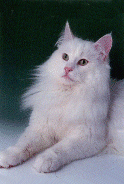
|
GCCF |
FIFe |
| Head |
Triangular, long straight profile without
a break in line. Strong chin. |
Triangular, where all sides are equal; long,
straight profile without break in line (no stop). Firm chin. |
| Ears |
High and open, with good width at the base
(width between ears being less than the width of one ear). High set so
that the lines of the ears follow the line of the head down to the chin.
Lynx-like tufts and long hair out of the ears. |
Good width at the base, with lynx-like tufts
and long hair out of the ears. Placed high and open, so that the outer
lines of the ear follow the line of the head down to the chin. |
| Eyes |
Large, well opened, slightly oblique. All
colours allowed, regardless of coat colour. |
Large, well opened, slightly oblique. Alert
expression. All colours permitted, regardless of coat colour. |
| Body |
Big and strong built, long and muscular with
solid bone structure; must not be cobby or delicate. |
Long, strongly built; solid bone structure. |
| Legs (and Paws) |
Long legs. Hind legs longer than front legs.
Tufts of fur between toes. |
High on legs; hind legs higher than front
legs. |
| Tail |
Long and bushy, should reach at least to the
shoulder blades, but preferably to the neck. |
Long and bushy, should reach to the
neck. |
| Coat |
Semi-long. The woolly undercoat is covered
by a smooth, water repellent overcoat. This glossy hair covers the back
and sides. A fully coated cat has a shirtfront, full ruff and knickerbockers.
During summer, however, the coat is considerably shorter. |
Semi-long. The woolly undercoat is covered
by a smooth, water repellent upper-coat. This glossy hair covers the back
and sides. A fully coated cat has a shirtfront, a full frill and knickerbockers. |
| Faults |
Cobby, small or delicate build. Break (stop)
in profile. Round or square head. Short tail (not reaching to back of shoulder
blades.) Short legs. Dry, knotted coat. Any defect in the GCCF list of
veterinary defects. |
Too small and finely built cats. Round or
square head. Profile with break (stop). Small ears. Short legs. Short tail.
Dry coat. Coat knotted with lumps. |